PEP and PrEP in Railay
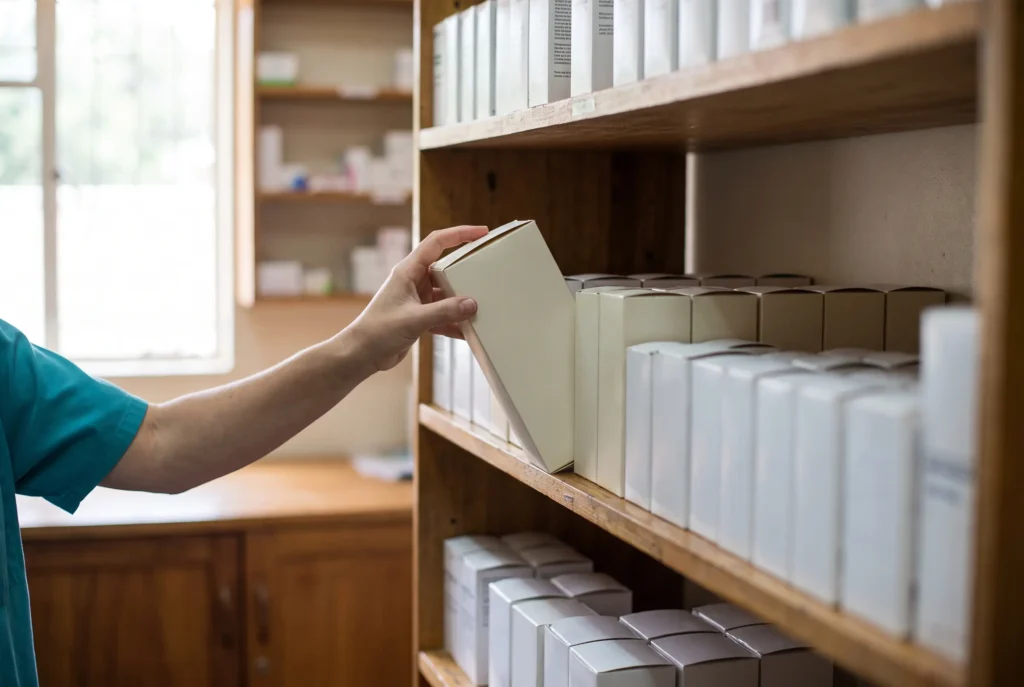
Two medications, two completely different situations, and one hard deadline. PEP is taken after a possible exposure and must start within 72 hours. PrEP is taken beforehand by people at ongoing risk. PEP and PrEP in Railay are both available here — and if you are reading this because something happened last night, stop reading and come in.
PEP: the 72-hour rule
Post-exposure prophylaxis is a 28-day course of antiretroviral medication that can prevent HIV from establishing itself after a possible exposure.
The deadline is genuine rather than cautious. It works best within a few hours, remains effective within 24, declines through 48 and 72, and is not offered beyond 72 hours because the evidence no longer supports it. There is no negotiating with that number.
Every hour spent deciding is an hour of effectiveness. If you are unsure whether your situation qualifies, come and ask rather than working it out yourself — the consultation costs little and the alternative is a decision you cannot revisit.
What counts as needing PEP
The main ones:
- Unprotected anal or vaginal sex with someone whose status you do not know
- A condom that broke or slipped during sex with a partner of unknown status
- Sexual assault
- Sharing needles or injecting equipment
- A needlestick injury, including tattoo and piercing equipment
Risk varies considerably between these, and part of the consultation is working out whether the exposure carries enough risk to justify a month of medication with side effects. Sometimes the honest answer is that it does not, and we will say so rather than prescribing to be safe.
What taking PEP is actually like
A baseline HIV test first, because PEP is the wrong treatment for someone already positive, plus kidney and liver function checks.
Then one tablet daily for 28 days, without missing doses. That last part matters more than anything else — interrupted courses are the main reason PEP fails, and it is a month, not a week.
Side effects are usually mild with modern regimens: some nausea, headache and tiredness in the first days, generally settling. Follow-up testing happens at the end of the course and again at three months.
You can start the course here and continue it elsewhere. The medication is widely available across Thailand and internationally, and you get a written record so the next clinic can continue rather than restart.
PrEP: prevention rather than reaction
Pre-exposure prophylaxis is medication taken before any exposure by people at ongoing risk. Taken properly it reduces the chance of acquiring HIV sexually by well over ninety per cent.
It is worth considering if you have multiple partners, if condom use is inconsistent in practice rather than in intention, if you have a partner who is HIV positive, or if you have already needed PEP once. That last one is the clearest signal of all — needing PEP is a reasonable argument for not needing it again.
Thailand has one of the most established PrEP programmes in the region, and it is neither unusual nor difficult to arrange.
Starting and staying on PrEP
You need a negative HIV test first — taking PrEP while unknowingly positive risks drug resistance — plus kidney function and hepatitis B testing.
Daily dosing is the standard and works for everyone. Event-based dosing, sometimes called 2-1-1, is an alternative for some people and involves a specific schedule around a planned exposure; it is not suitable for everyone and needs explaining properly rather than summarising here.
Ongoing, it means an HIV test every three months and periodic kidney checks. If you are here for a season, that is manageable on the peninsula; if you are moving on, the monitoring continues wherever you are.
What neither of them does
Both prevent HIV. Neither prevents anything else — not chlamydia, gonorrhoea, syphilis, herpes or hepatitis, and not pregnancy.
Rates of other sexually transmitted infections are meaningfully higher among people on PrEP, largely because condom use tends to drop. That is not an argument against PrEP; it is an argument for continuing to test for the rest on a regular schedule.
If you want protection against the full range, condoms remain the only thing that covers it.
Worth knowing on a peninsula: condoms bought from a beach shop that has kept them in a hot glass cabinet all season have often been sitting well above the temperature they are rated for, and heat degrades latex. Check the expiry date, buy from a pharmacy or a shop that keeps stock out of direct sun, and store them somewhere other than a pocket or a bag left on the sand.
Cost, discretion and being on a peninsula
Both are quoted before anything starts. PEP is a month of medication and is not trivial in cost, though it is considerably cheaper in Thailand than in most Western countries. PrEP is a recurring cost and is inexpensive here by international standards.
Everything is confidential in the same way the rest of our sexual health work is: results to you alone, nothing shared with your resort, your companions or immigration, and no reason for the visit stated where anyone can see it.
One practical note about geography. If something happens late at night and the boats have stopped, message us rather than waiting for morning — a doctor is reachable overnight through our Ao Nang clinic, and starting the conversation at 2am rather than 9am can matter when the whole thing runs on a 72-hour clock. If you cannot get to the clinic at all, ask about a doctor resort visit.
Frequently asked questions
How long do I have to start PEP?
72 hours from the exposure, and sooner is substantially better. It is not offered after 72 hours.
How long is the PEP course?
28 days of daily tablets, without missed doses. Interrupted courses are the main reason it fails.
Can I start PEP here and finish it at home?
Yes. You get a written record and the medication is widely available internationally.
Is PrEP hard to get in Thailand?
No. Thailand has one of the region’s most established PrEP programmes and it is straightforward to arrange.
Do PEP or PrEP protect against other infections?
No. Both prevent HIV only — not other sexually transmitted infections and not pregnancy.
What are the side effects?
Usually mild with modern medication — some nausea, headache and tiredness early on, generally settling within days.
It is late at night and the boats have stopped. What do I do?
Message us now. A doctor is reachable overnight, and on a 72-hour clock starting the conversation tonight rather than in the morning is worth doing.
Who treats you here, and who is behind them
The clinic on Railay is run by experienced English-speaking nurses. Behind them sits Doctor Ao Nang Takecare Medical Clinic in Ao Nang, which Takecare Clinic Railay works together with as one service rather than two businesses: shared doctors, shared records, shared treatment plans. In practice that means a doctor is pulled in the moment your case needs one — to review it, to prescribe, or to come across to the peninsula in person. If you later cross to the mainland, whoever sees you is already holding your notes and you are not starting the story again. It also means the second opinion that would otherwise cost you a boat and half a day costs a phone call.
Getting seen
Opening hours are 8am–10pm daily. Outside them we are still reachable 24 hours by phone, WhatsApp and Line, so when something happens at eleven at night the right move is to message us, not to lie awake deciding whether it can wait. No appointment is needed at any point — walk in, or reach us on +66 81 718 9080, WhatsApp or Line. If you would rather not move, ask for a doctor resort visit and we will come to you. And if this turns out to be something the peninsula cannot handle, that call is also how the boat and the hospital transfer start moving.